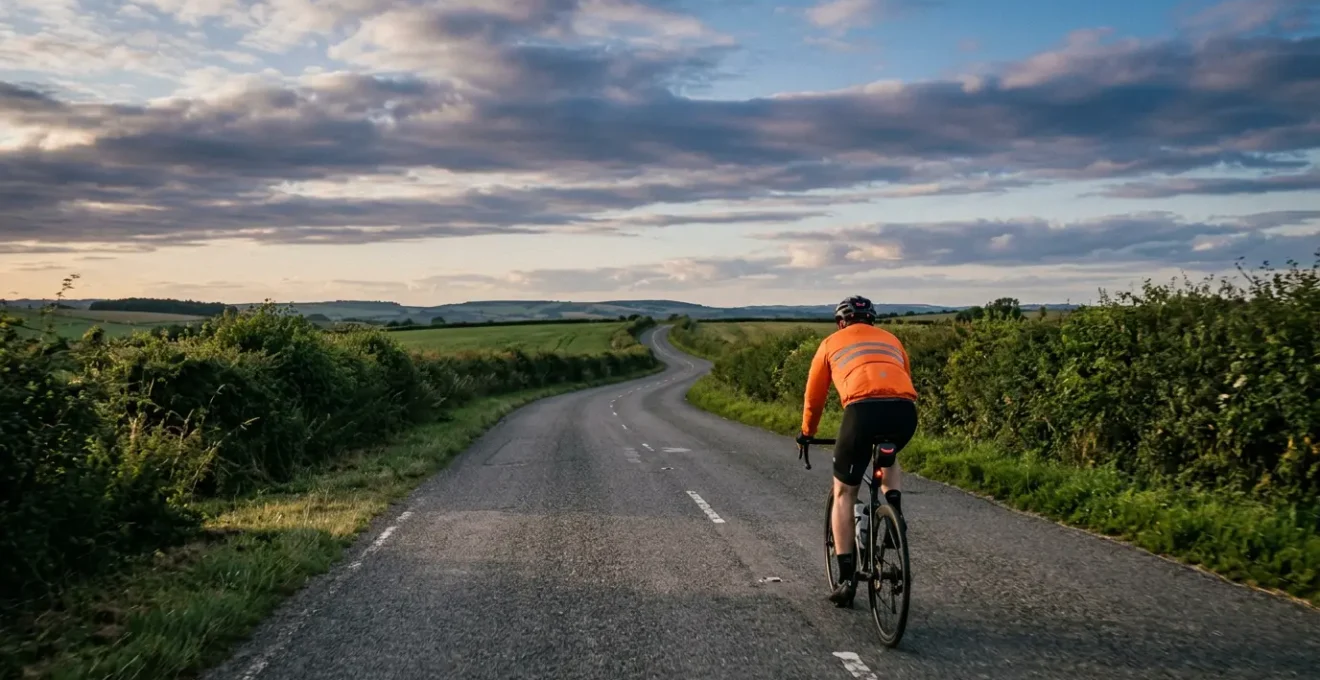
Bike radar is more than a safety gadget; it’s a cognitive enhancement that reclaims your mental energy on solo rides.
- It virtually eliminates the constant, anxious need for shoulder-checks, allowing you to focus forward on the road and the ride.
- Practical concerns are easily managed: an audio-only mode via your phone is a game-changer for minimalist setups, preserving battery life.
Recommendation: For solo cyclists on unpredictable rural roads, the £170 investment isn’t for the tech itself, but for transforming the quality and focus of every ride.
The sound is familiar to any solo rider on a quiet country lane: not the hum of an approaching engine, but the rush of wind past your ears, punctuated by the rhythmic click of your own drivetrain. You feel isolated, peaceful, until a “white van” suddenly barrels past with inches to spare, a jump-scare at 40 mph that you never heard coming. This is the core anxiety of solo riding. The constant, nagging question—”Is something behind me?”—forces a relentless cycle of head-turning and nervous glances in a tiny, vibrating mirror.
Conventional wisdom tells us to be more vigilant, to check our shoulders more often. But this advice misses the point. The problem isn’t a lack of effort; it’s a lack of mental bandwidth. Every shoulder check, every moment spent deciphering a distorted mirror image, is a moment you’re not looking at the pothole ahead, not anticipating the corner, and not truly enjoying the ride. The physical act of looking back is a compromise that drains your cognitive resources.
But what if the solution wasn’t to look back more, but to have a ‘sixth sense’ that did it for you? This is the fundamental promise of bike radar technology. It’s not just about seeing a car on a screen. It’s about outsourcing the stressful, low-level task of rearward vigilance to a dedicated sensor. This article doesn’t just review a piece of hardware; it explores whether a £170 investment can fundamentally change your relationship with the solo ride, moving you from a state of constant anxiety to one of forward-focused, immersive awareness.
We’ll dissect the real-world performance of bike radar, from its handling of complex traffic to its impact on your other gear. We’ll examine how its integrated lights and camera functions create a complete safety ecosystem and ultimately answer the question: is this tech worth the price for the peace of mind it promises?
Summary: Radar Technology for the Solo Cyclist
- The “White Van” Effect: Does Radar Make You Complacent on Shoulder Checks?
- Ghost Cars: How Well Does Radar Handle Convoys of Traffic?
- Beep or Screen: Which Warning Method Reacts Faster to Danger?
- Radar vs GPS Battery: Does Pairing Them Kill Your Head Unit?
- Phone vs Computer: Can You Use Radar Without an Expensive Head Unit?
- Flashing or Steady Lights: Which Mode Actually Gets a Driver’s Attention?
- Evidence Gathering: Do Cameras Actually Lead to Prosecutions in the UK?
- Auto-Deceleration Lights: Do Brake Lights on Bikes Actually Prevent Rear-Ends?
The “White Van” Effect: Does Radar Make You Complacent on Shoulder Checks?
The primary fear voiced by radar skeptics is the risk of complacency. If a computer is watching your back, will you stop checking for yourself before a maneuver? This concern, while logical, mistakes the radar’s purpose. It’s not a replacement for a pre-turn shoulder check; it’s a tool to eliminate the hundreds of unnecessary, anxiety-driven scans you perform on a long, straight road. The threat is real; rear-end collisions can account for up to 40% of all car-on-bike accidents.
The radar’s function is to manage this constant, low-level threat. As one cycling tech analysis puts it, “It’s like having a sixth sense on the road, a constant awareness of what is happening behind you.” This electronic sense doesn’t make you lazy; it makes you efficient. By filtering out the “noise”—the 99% of the time when nothing is behind you—it frees up your mental energy. You are no longer managing a continuous stream of low-probability risk. Instead, you receive a clear, unambiguous signal only when a threat is present. This allows you to reserve your own senses for the high-stakes moments that truly matter, like confirming a clear lane before you pull out.
Ghost Cars: How Well Does Radar Handle Convoys of Traffic?
A key technical challenge for any radar system is the “masking” or “Doppler shadow” effect. When multiple vehicles approach in a tight convoy, the radar can sometimes only “see” the first one. The second or third car becomes a “ghost,” hidden in the radar shadow of the vehicle in front. This is a genuine limitation, but its real-world impact depends heavily on your riding environment.
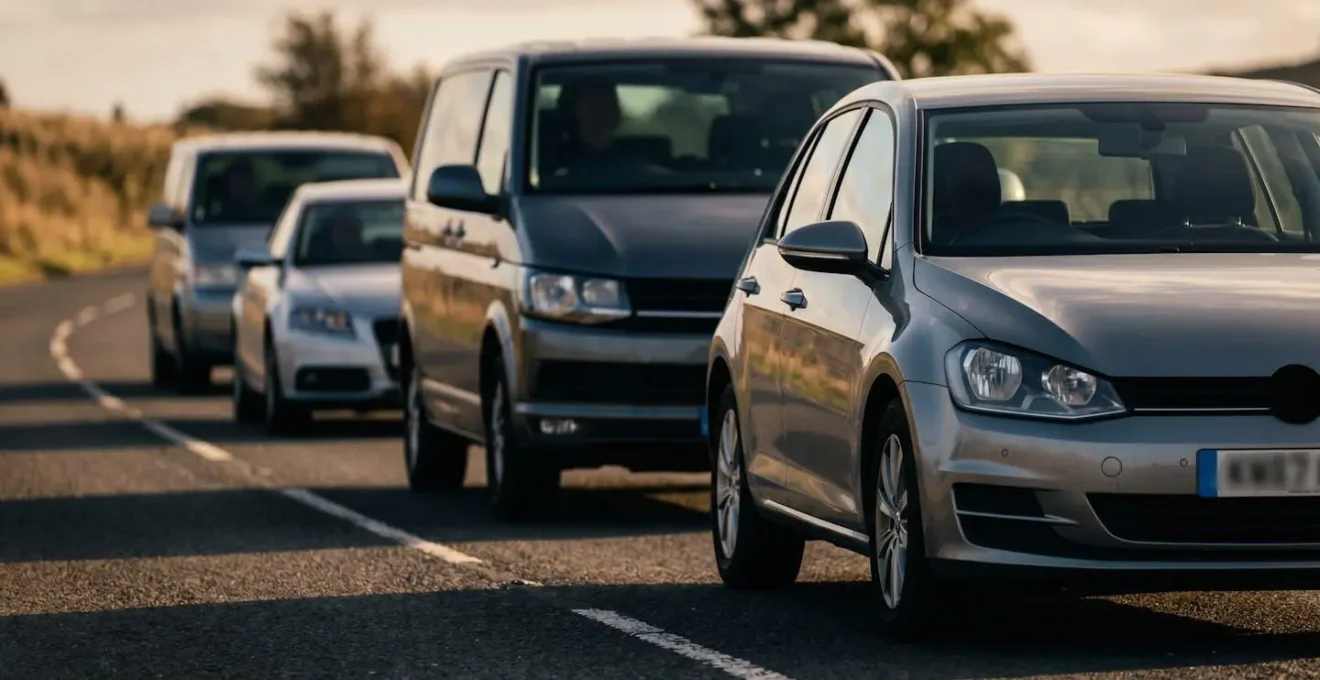
A real-world analysis of bike radar accuracy highlights this context. On straight, steady-flow A-roads, where cars maintain constant speed and spacing, the masking effect is more pronounced. However, for the solo rider on twisting, variable-speed rural roads, the situation is different. On these roads, a convoy is rarely static. As cars slow for corners and accelerate out of them, their relative speeds and positions change. These constant micro-adjustments give the radar system multiple opportunities to detect previously masked vehicles. The second car might become visible as the first one corners, or as it accelerates at a different rate. Therefore, in the exact environment of our target user, the radar’s performance in detecting convoys is ironically more robust.
Case Study: Radar Detection in Rural vs. Urban Environments
Bike radar systems show marked differences in performance based on location. In crowded urban areas, their range is often restricted, limiting advanced warning. Conversely, on winding rural roads, the variable speeds of traffic actually help defeat the “masking” of vehicles in a convoy. As cars change speed for bends, the radar can better distinguish between individual objects, making it more effective than on straight A-roads where traffic flow is more consistent.
Beep or Screen: Which Warning Method Reacts Faster to Danger?
When a car is detected, how should the radar alert you? The choice between a visual cue on a screen and an audible beep seems like a minor preference, but it taps into a fundamental aspect of human physiology. A visual alert requires a multi-step cognitive process: you must shift your gaze from the road to the screen, identify the icon, interpret its meaning, and then decide on an action. This takes time and, crucially, takes your eyes off the road ahead.
An audible alert, however, bypasses much of this process. It’s a direct input. Sound is processed by the brain significantly faster than visual information for reflexive responses. The “beep” doesn’t require interpretation; it’s a pure, binary signal of “threat present.” This is why a car horn or a smoke alarm is a sound, not a flashing light. For a solo rider, whose primary focus must always be the path ahead, the audio alert is a cognitively superior method of communication. Many modern radar units understand this, and research shows auditory processing is faster for triggering reflexive action, leading to models that pair with lights to automatically change flashing patterns upon detection, amplifying the signal to the driver without requiring rider input.
Radar vs GPS Battery: Does Pairing Them Kill Your Head Unit?
A legitimate concern for any cyclist adding another electronic device is battery life. The fear that a radar unit, constantly scanning and communicating via Bluetooth or ANT+, will drain your expensive GPS head unit before the end of a long ride is valid. For an all-day epic, managing power is paramount. However, this problem is often more of a perceived threat than a practical reality for most ride lengths, and it’s almost entirely solvable with smart management.
The radar itself has its own battery, typically lasting 7-10 hours. The real question is the drain on the paired device (the head unit or phone). While there is an impact, it’s generally manageable. A head unit’s battery life might be reduced by 10-15%, which is rarely the difference between finishing a ride and not. For those pushing the boundaries of endurance, or for riders who simply want to eliminate all battery anxiety, a strategic approach is key. This isn’t about accepting a compromise; it’s about optimizing your system for maximum efficiency and safety, ensuring your “sixth sense” is active when you need it most.
Your Action Plan: Battery Mitigation for Endurance Riders
- Create a dedicated GPS head unit profile that deactivates the radar connection for known traffic-free segments, like long climbs on closed roads or forest trails.
- Proactively toggle the radar back on before rejoining busier road sections to optimize battery life without ever sacrificing safety.
- For ultimate peace of mind on all-day rides, consider carrying a small, lightweight 100g power bank (around £15) to completely negate any battery concerns.
- Realistically evaluate your longest typical solo ride. If it’s under 8 hours, the standard battery life of most systems means drain is unlikely to be a real-world issue for you.
- Assess your head unit’s “battery-saver” mode to see how it interacts with connected sensors, as this can often provide the best balance of performance and longevity.
Phone vs Computer: Can You Use Radar Without an Expensive Head Unit?
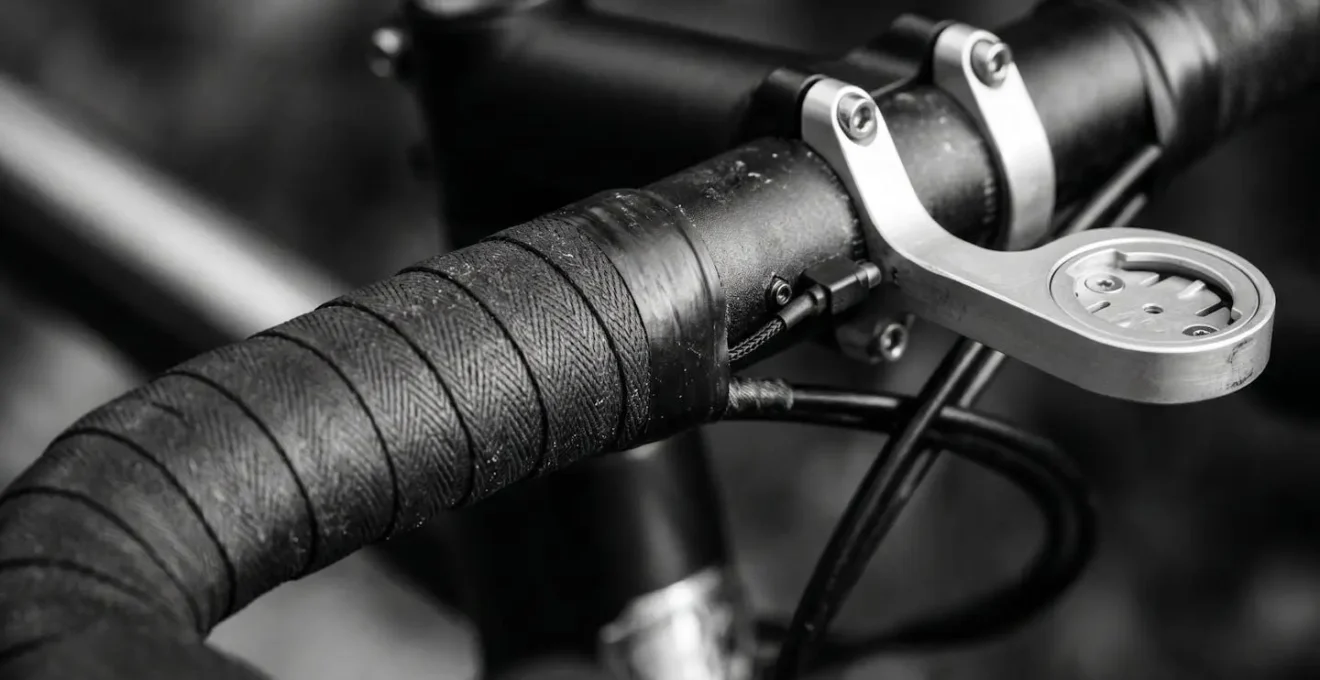
The £170 price tag for a radar unit is just the beginning; the perceived “hidden cost” of a £300+ dedicated GPS head unit to display the information can be a major barrier. But this assumes you need a screen at all. The most enthusiastic advocates for radar often praise the audio-only experience, which can be achieved with just the smartphone in your jersey pocket. By using the manufacturer’s app (like Garmin’s Varia app), your phone can provide audible beeps through a single earbud, leaving your handlebars clean and your wallet fuller.
This minimalist approach aligns perfectly with the “cognitive offloading” benefit. You don’t need a screen to tell you how many cars are there or how fast they’re approaching; you just need the binary “threat/no threat” signal. A phone offers this for free, but it comes with significant trade-offs in durability and battery life when used as a primary display. A dedicated GPS unit is purpose-built for the harsh outdoor environment. The choice isn’t just about cost; it’s a fundamental decision about how you want to interact with the technology.
This comparative analysis shows the clear trade-offs between using a device you already own and investing in a purpose-built solution.
| Feature | Smartphone Setup | Dedicated GPS Unit |
|---|---|---|
| Initial Cost | £0 (if owned) + mount | £150-£400 |
| Screen Visibility | Poor in bright sunlight/rain | Optimized for outdoor use |
| Crash Risk | High (£1000 device exposed) | Lower (rugged, replaceable) |
| Battery Drain | Severe with GPS + radar | Moderate, optimized |
| Audio-Only Option | Yes (jersey pocket + earbud) | Limited |
| Durability | Touchscreen fails in wet conditions | Button controls, weatherproof |
Flashing or Steady Lights: Which Mode Actually Gets a Driver’s Attention?
A radar unit’s integrated tail light is not just an add-on; it’s a core component of the safety system. When the radar detects an approaching vehicle, it can alter the light’s pattern to draw maximum attention. The long-standing debate has been whether a steady or flashing light is more effective. The science on this is increasingly clear: flashing wins, and by a significant margin.
The human eye is exceptionally sensitive to changes in its peripheral vision, and a flashing light is a powerful trigger. Research confirms this; studies show flashing rear lights are noticed from 123 meters away at night, compared to just 41 meters for a steady light. That’s triple the reaction time afforded to the driver. In complex urban environments with a sea of other steady lights from signs and buildings, a flashing pattern cuts through the visual clutter, making the cyclist distinguishable from the background noise. A smart radar light takes this a step further, often switching from a “normal” flash to an “urgent” high-intensity flash when a car is detected, providing a dynamic signal that is hard for a driver to ignore.
Evidence Gathering: Do Cameras Actually Lead to Prosecutions in the UK?
While radar provides pre-emptive awareness, some models now integrate a camera to provide post-incident evidence. For UK cyclists, this is not just a novelty; it’s a powerful tool for accountability thanks to police initiatives like “Operation Snap.” This system allows the public to submit video footage of dangerous driving directly to police forces for review. The question is, does it work?
The data is compelling. Between 2021 and 2024, cyclist-submitted footage to UK police more than doubled, and approximately 54% of drivers caught on camera were served with a Notice of Intended Prosecution. The effectiveness can vary by region, but recent UK police data shows 85% of cyclist-submitted reports in the Avon and Somerset force led to some form of action. For a submission to be effective, it must be timely, as police must issue a notice within 14 days. This transforms the camera from a passive recording device into an active part of a legal process. It provides the solo rider not with vengeance, but with a sense of agency and empowerment in the face of reckless driving.
Key takeaways
- Bike radar is best understood not as a simple sensor, but as a cognitive tool that offloads mental stress and frees up focus for the road ahead.
- Practical concerns like battery drain and high initial cost are largely solvable through smart usage, such as employing an audio-only phone setup.
- The true power of the technology is unlocked when radar is integrated into a complete ecosystem with smart lights and cameras, offering awareness, visibility, and accountability.
Auto-Deceleration Lights: Do Brake Lights on Bikes Actually Prevent Rear-Ends?
The final piece of the modern safety puzzle is the auto-deceleration or “brake” light. Using internal accelerometers, the light brightens significantly when you brake, just like a car. This might seem like a small feature, but it taps into a deep-seated psychological principle of driver conditioning. A driver behind the wheel has tens of thousands of hours of training responding to the sudden appearance of red brake lights. A bicycle brake light “speaks” this native language, triggering a conditioned, subconscious reaction to slow down.
A driver has tens of thousands of hours of conditioning to react to red brake lights.
– Traffic psychology analysis, Cycling Law bicycle accident causation study
While a study from bicycle accident lawyers shows that rear-end collisions represent only 1.3% of fatal bicycle crashes, they account for a much larger share of the non-fatal incidents, near-misses, and confidence-shattering close calls that plague cyclists. The brake light isn’t primarily about preventing the rarest, most catastrophic accidents; it’s about reducing the frequency of the common ones. When combined, the full system is a marvel of proactive safety: the radar detects the threat, the flashing light demands attention, the brake light communicates intent, and the camera records for accountability. It is a complete ecosystem of electronic awareness.
Armed with this knowledge, you can now re-evaluate that £170 price tag. It’s not an expense for a gadget, but an investment in a calmer, more focused, and ultimately more enjoyable solo riding experience. The next step is to assess your own riding style and decide if this cognitive upgrade is the right one for you.