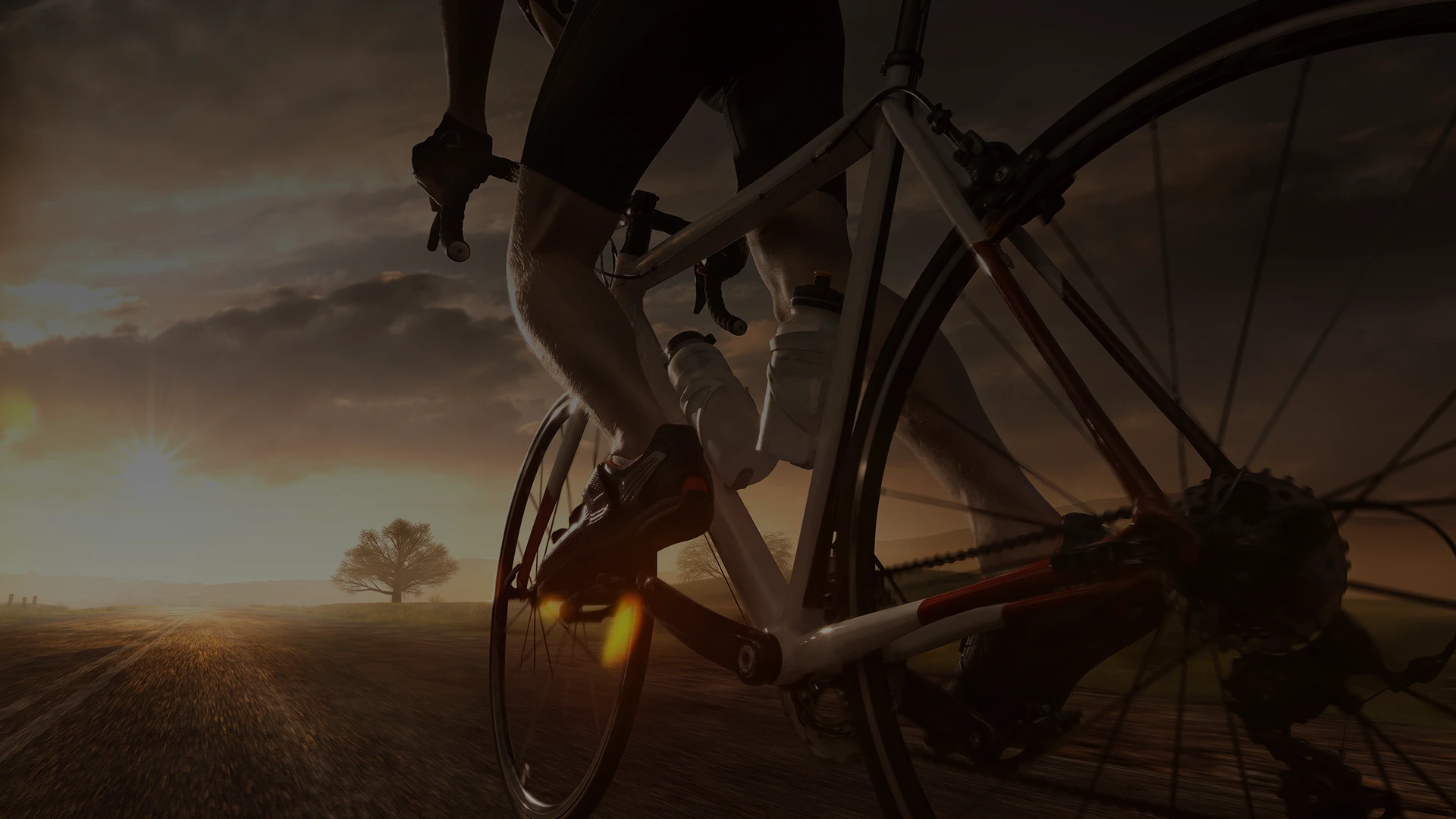
Unlocking performance through human-powered two-wheeled expeditions


The spirit of bikepacking
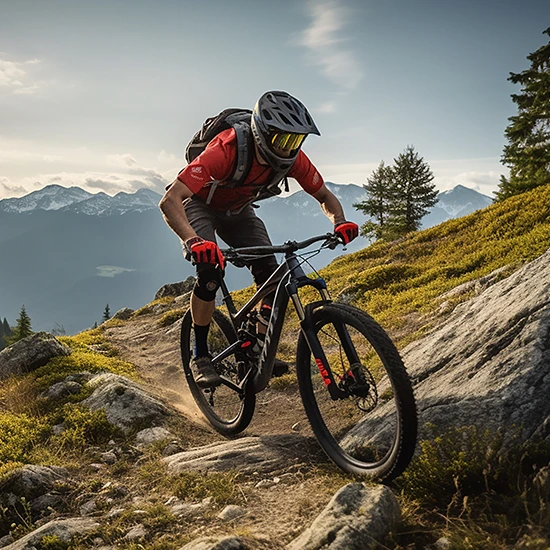
Traveling by bicycle forces a slower pace, encouraging local interactions. Riders carry lightweight panniers, turning every route into an autonomous gravel expedition.
Smart data-driven performance tracking
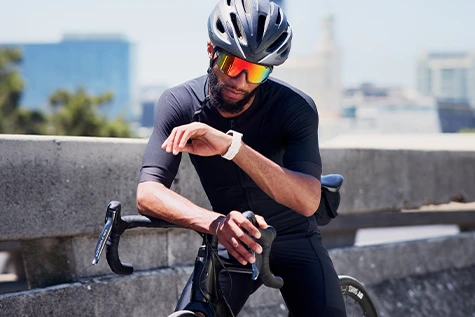
Cyclists monitor power metrics and heart rate on GPS units. This digital feedback loop allows for real-time adjustments, ensuring energy conservation during long endurance rides.
Technical apparel for protection
Modern jerseys utilize hydrophobic fabrics to wick sweat instantly. High-vis elements integrated into bibs increase visibility during low-light conditions, blending safety with aerodynamic performance.
01
Drivetrain cleaning and degreasing
Cleaning the chain prevents wear, ensuring precise gear shifting.
02
Disc brake pad inspection
Checking hydraulic caliper wear ensures reliable stopping power on technical gradients.
03
Wheel alignment adjustments
Tightening loose spokes keeps rims straight, preventing dangerous wobbles at high road speeds.
04
Ceramic bearing lubrication
Greasing the bottom bracket prevents creaking and protects against corrosion.
Cardio benefits and muscle tone
Regular cycling strengthens the heart, improving circulation and lowering resting heart rates. The low-impact pedal stroke builds quadriceps without stressing joints. Consistent riding boosts metabolism, allowing the body to burn calories efficiently post-ride. Mental clarity improves as repetitive motion induces a mindfulness state.
Essential tools and GPS aids
Carrying a CO2 inflator and multi-tool ensures self-reliance. Saddlebags store spare tubes and levers, distributing weight evenly. Advanced cycling computers map routes, offering turn-by-turn directions and elevation profiles. Bottles provide crucial fluid intake. Proper LED lights illuminate the path while signaling presence to motorists.
International cycling community
From local club rides to amateur races, cycling fosters social bonds. Enthusiasts share routes, mechanical tips, and post-ride café traditions worldwide.