
The marginal safety gain from MIPS or WaveCel is often less critical for urban commuters than ensuring the helmet’s fundamental integrity and proper fit.
- Standard helmet tests (EN1078) don’t replicate the rotational forces of typical urban crashes, which is the problem MIPS and WaveCel aim to solve.
- A helmet’s protective capability is a system; its effectiveness degrades due to shell damage, sweat, and poor fit, factors more influential than the specific slip-liner technology.
Recommendation: Before spending an extra £50 on advanced tech, first verify your current helmet’s fit using the ‘shake test’ and inspect its structural integrity for degradation. The money might be better spent on a new, perfectly-fitting standard helmet or on active safety measures.
For any safety-conscious urban commuter, the decision in the bike shop can be paralysing. You see two helmets, seemingly identical, but one has a small yellow MIPS sticker or a green WaveCel logo and costs £40 to £50 more. The marketing promises superior protection against rotational impacts, the very forces linked to concussion and serious brain injury. The common wisdom is that MIPS is a low-friction slip-plane and WaveCel is a collapsible cellular structure, and both are better than a standard EPS foam liner. But is this the right way to frame the question?
As a head safety researcher focusing on crash dynamics, I propose this is the wrong question entirely. The true determinant of your safety on busy UK city roads is not a simple choice between two competing technologies. It is a comprehensive understanding of kinetic energy management in the context of a typical urban crash. The most effective safety investment comes from appreciating the hierarchy of protection, where the integrity of the entire helmet system and its coupling to your head are foundational.
This article deconstructs helmet safety from a scientific perspective. We will scrutinise the testing standards that govern helmet design, analyse how the core materials degrade over time, and demonstrate why fit is paramount. By exploring the trade-offs between ventilation and coverage, and the importance of active safety, we will determine if that extra £50 is truly the most effective investment for your cranial protection or if it could be better allocated.
This guide will give you the tools to move beyond marketing claims and make an evidence-based decision. We’ll examine the data, the physics, and the practical realities of urban cycling to provide a clear framework for assessing your own safety needs.
Summary: MIPS vs. WaveCel: An Objective Look at Urban Cyclist Helmet Safety
- EN1078 Standards: Why They Don’t Account for Concussions on Tarmac?
- UV and Sweat: When Does EPS Foam Lose Its Impact Absorbing Properties?
- The “Shake Test”: How to Ensure Your Helmet Won’t Rotate in a Crash?
- Ventilation vs Protection: Do Aero Helmets Sacrifice Impact Zones?
- Micro-Cracks: Why You Must Bin a Helmet After a Minor Drop?
- Digital ID: How Paramedics Access Your Data If You Are Unconscious?
- Side Cut-Outs: How Important Is Being Seen from a Junction?
- Crash Detection Sensors: Are They Reliable Enough for Solo Rural Riders?
EN1078 Standards: Why They Don’t Account for Concussions on Tarmac?
Every helmet sold in the UK must meet the EN1078 standard. This provides a baseline level of safety, but it’s crucial to understand what it actually tests—and what it doesn’t. The standard primarily assesses a helmet’s ability to manage linear impact forces, which simulates an object falling straight onto your head. The test involves dropping a headform wearing the helmet onto a flat anvil, with the core requirement being that the peak force transmitted to the head remains below 250g. However, real-world cycling accidents, especially in urban environments, are rarely so simple. A collision with a car door, clipping a kerb, or a “low-side” crash on tarmac invariably involves an oblique impact, inducing dangerous rotational forces on the brain.
These rotational accelerations cause the brain to shear against the inside of the skull, a primary mechanism for concussion and severe traumatic brain injuries. The EN1078 standard, in its current form, does not have a specific test for this. For instance, the European EN1078 protocol involves a 1.5-meter drop, while the US CPSC standard uses a 2-meter drop, but both focus on this linear force. This testing gap is precisely what technologies like MIPS and WaveCel were designed to address. The image below visualises the critical difference between these two types of impact forces.
As the image illustrates, the shearing effect of rotational force is fundamentally different from the direct compression of a linear impact. This distinction is at the heart of modern helmet safety research. It’s a limitation acknowledged by major testing bodies, with experts advocating for updates to the standards. As the Transport Research Laboratory (TRL) noted in a key report on helmet assessment:
The introduction into EN1078 of an oblique impact test could ensure that helmets do not provide an excessive risk of rotational head injury.
– Transport Research Laboratory (TRL), TRL Report PPR213 on Assessment of current bicycle helmets
Without this in the official standard, manufacturers are left to develop their own solutions, and consumers must look beyond the basic EN1078 certification to evaluate a helmet’s full protective capabilities against the most common causes of concussion.
UV and Sweat: When Does EPS Foam Lose Its Impact Absorbing Properties?
A common piece of advice, often promoted by manufacturers, is that you must replace your helmet every three to five years. The rationale is that the Expanded Polystyrene (EPS) foam liner, the core component responsible for managing impact energy, degrades over time due to exposure to UV light, sweat, and environmental factors. While there is truth to this, the science suggests the reality is more nuanced. The foam itself is more resilient than often claimed; it’s the rest of the helmet system that fails first.
Indeed, while industry safety guidelines indicate helmets should be replaced every 3 to 5 years due to material degradation, independent testing tells a slightly different story. A landmark study by MEA Forensic examined 675 used helmets, some up to 26 years old, and found that the EPS foam liners retained their impact performance remarkably well over time. The study, published in the Journal of Biomechanical Engineering, concluded that foam deterioration due to age alone was not a significant factor, directly challenging the idea that the foam “expires” on a fixed schedule. The degradation that truly matters is often visible: cracks in the outer shell from UV exposure, peeling adhesives, and fatigued retention systems.
Therefore, for a safety-conscious commuter, a fixed replacement schedule is less important than a rigorous, regular inspection of the helmet’s overall condition. The integrity of the shell, the security of the straps, and the bond between shell and liner are the real indicators of a helmet’s continued viability. A three-year-old, well-cared-for helmet is likely far safer than a one-year-old helmet that’s been stored in a damp garage or has a compromised shell. This checklist provides a practical framework for your own inspection.
UK Commuter’s Helmet Degradation Inspection Checklist: Key Points to Verify
- EPS Foam Brittleness: Press gently on the inner liner. If the indentation does not bounce back, or if the foam feels brittle, it signals material fatigue.
- Shell and UV Damage: Inspect the outer shell for any cracks, dents, or significant fading and discoloration that indicate structural compromise from sun exposure.
- Adhesive and Liner Integrity: Verify the outer shell is firmly attached to the foam liner across the entire surface, with no signs of peeling or separation, especially around the vents.
- Retention System Function: Test the straps for fraying, ensure the buckle clicks and holds securely, and confirm the rear adjustment dial functions smoothly and holds its position.
- Storage Environment Audit: Assess where your helmet is stored. Helmets kept in damp or high-heat environments (like a garage or car boot) can lose significant effectiveness; always store in a cool, dry, climate-controlled location.
The “Shake Test”: How to Ensure Your Helmet Won’t Rotate in a Crash?
Before even considering the marginal benefits of MIPS or WaveCel, there is a more fundamental principle of helmet safety: proper fit. A helmet can only manage kinetic energy effectively if it is securely coupled to the head. If the helmet can shift or rotate on your head *before* impact, any advanced rotational protection system it contains is rendered largely irrelevant. The simplest and most effective way to assess this is the “shake test.” With the helmet on and the straps unbuckled, you should be able to shake your head side-to-side and front-to-back without the helmet becoming dislodged. The retention system should then snug it down, not be responsible for holding it in place.
The entire premise of a technology like MIPS is to allow for a controlled, 10-15mm of rotational movement between the helmet and the head during an angled impact. However, if a poorly fitted helmet already allows for 20mm of free movement, the MIPS layer may not even engage as designed during a crash. The initial, uncontrolled slop of the helmet will absorb the movement, negating the technology’s benefit. This critical dependency on fit has been acknowledged by the creators of the technology themselves. In a technical discussion on testing results, a crucial point was made about the coupling between head and helmet:
The MIPS layer activated and moved. The resultant data showed no significant improvement in the MIPS helmet’s performance over the non-MIPS model when the helmet straps were tight and the head was coupled with the helmet.
– Peter Halldin, MIPS CEO, as discussed in Snell Foundation 2022 testing results
This is not to say MIPS is ineffective, but it highlights a crucial scientific point: its effectiveness is contingent on a perfectly snug fit that eliminates any pre-existing slack in the system. The technology, where engineering specifications state that MIPS allows 10-15mm of movement, is designed to be the only source of slip. If your helmet fails the shake test, the first and most important safety investment you can make is not an extra £50 for a slip-liner, but a different helmet that actually fits your head shape.
Ventilation vs Protection: Do Aero Helmets Sacrifice Impact Zones?
Helmet design is a study in compromises. For the urban commuter, one of the most significant trade-offs is between ventilation and protection. Large, deep ventilation channels are excellent for keeping you cool on a summer commute and can reduce the overall weight of the helmet. However, every cubic centimetre of vent is a cubic centimetre where there is no impact-absorbing EPS foam. This creates a direct conflict between thermal comfort and the total area of cranial coverage.
Aero-road helmets, which are increasingly popular with commuters, often feature fewer, more streamlined vents to improve aerodynamic efficiency. While this can result in a sleeker look, it often means more foam coverage, particularly over the top and sides of the head. From a pure impact-protection standpoint, this is a benefit. More foam means more material to compress and manage kinetic energy during a crash. The critical question for a safety-conscious rider is where these vents are located. A helmet might have ample foam on top but feature massive vents on the sides, compromising protection in the vulnerable temporal region—a common impact point in side-on collisions at junctions.
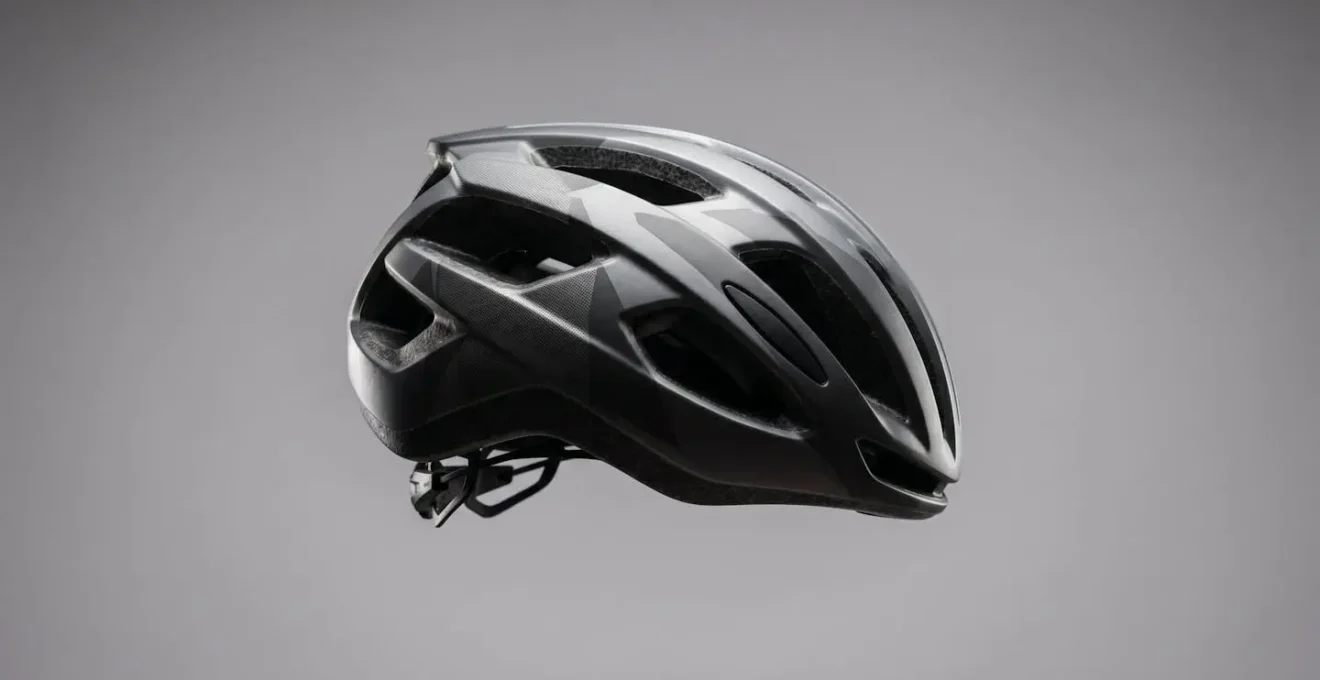
The design must balance airflow with the structural integrity required to pass EN1078 tests. This often leads to a complex internal architecture of bridges and reinforcements within the foam. However, the fundamental principle remains: a large hole in the protective layer is still a hole. For the urban cyclist, who is less concerned with the marginal gains of aerodynamics or extreme ventilation for mountain climbing, a helmet with more comprehensive coverage and smaller, well-placed vents might represent a more logical safety choice. It’s a matter of prioritising impact protection over maximum airflow for a 30-minute commute through traffic.
Micro-Cracks: Why You Must Bin a Helmet After a Minor Drop?
One of the most misunderstood aspects of helmet safety is the nature of the EPS foam liner. It is not a resilient material designed for multiple impacts; its life-saving function is a one-time-only event. When EPS foam absorbs a significant impact, it does so by compressing. The tiny plastic beads fuse and crush, converting the kinetic energy of the crash into heat and deformation. This process permanently damages the foam’s structure in that specific area. It will not rebound or “heal.”
This is why you must replace a helmet after any significant crash, even if it looks visually undamaged. However, the rule extends to seemingly minor incidents, such as dropping the helmet from a handlebar or table onto a hard surface like concrete or tile. While this may not leave a visible mark on the outer shell, it can be enough force to create micro-cracks in the EPS liner or to compress a small area of foam. This compromised area now has a drastically reduced capacity to manage energy in a future, more severe impact. As the Cycling Safety Institute clearly states, this is a fundamental property of the material.
EPS foam is a single-use material. When it absorbs an impact, the foam permanently compresses in that area—it does not rebound. Even if your helmet survived a crash with minimal visible damage, its protective capacity is permanently reduced.
– Cycling Safety Institute, Helmet replacement safety guidelines
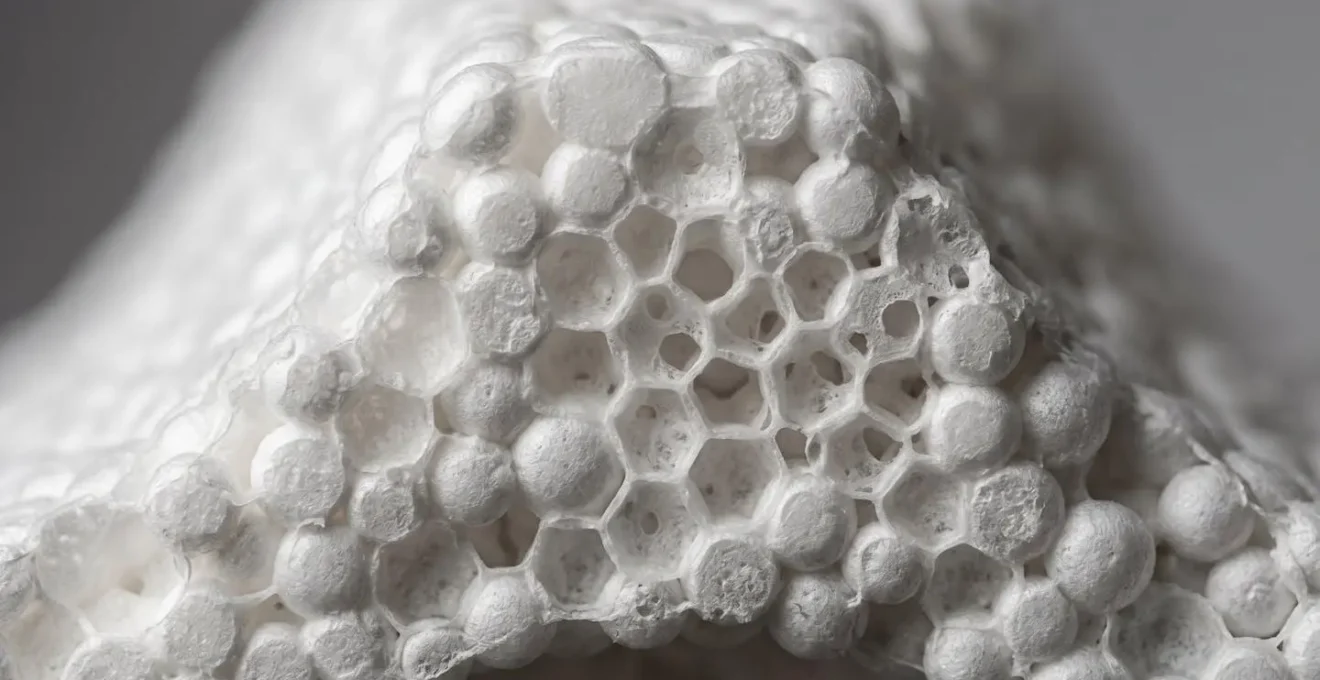
Even advanced structures like WaveCel, which are designed to flex and wrinkle, are not immune to this principle of single-use protection. While the honeycomb structure offers a different mechanism for energy absorption, it is still subject to the laws of physics. In fact, comparative testing indicates that while WaveCel’s structure is designed for angled impacts, it does not necessarily score higher than MIPS under existing test standards and can introduce penalties in weight and airflow. The core takeaway remains: the history of your helmet is one of the most critical factors in its ability to protect you. An old, undropped helmet is safer than a new one that has taken a hard knock.
Digital ID: How Paramedics Access Your Data If You Are Unconscious?
The conversation around helmet safety rightly focuses on injury prevention. But we must also consider the moments immediately following a crash, particularly if you are unable to communicate. For a solo commuter, being rendered unconscious is a serious risk, and providing first responders with immediate access to critical information can be life-saving. The statistics on head injury severity underscore the importance of this. A national study of over 11,000 cyclists in NHS England provided stark evidence of helmet effectiveness, finding that 47.6% of cyclists not wearing a helmet sustained severe traumatic brain injury compared to just 19.1% of those who were helmeted. While a helmet drastically reduces injury severity, it doesn’t eliminate risk entirely.
In the “golden hour” after a traumatic incident, paramedics need to know your identity, any pre-existing medical conditions, allergies, or emergency contacts. In the absence of consciousness, this information must be readily and obviously available on your person. This is where a low-cost, low-tech “digital ID” system becomes an essential part of a commuter’s safety equipment. Fortunately, several effective methods exist:
- Physical ICE Tags: Use dedicated products like ICEtags or Toughtags, which are designed to be immediately visible to UK emergency services. Attach them to your helmet straps, jacket zipper, or another prominent location.
- Phone Medical ID: Most modern smartphones allow you to set up a Medical ID that is accessible from the lock screen without needing your passcode. This can list your name, blood type, allergies, medications, and emergency contacts. Ensure this is configured and your primary contact is saved as “ICE” (In Case of Emergency).
- Helmet Sticker: A simple sticker on the inside rear of your helmet with emergency contact information is a common place for paramedics to check while assessing impact damage.
- Medical Alert Bracelet: For critical conditions like severe allergies, diabetes, or epilepsy, a physical medical alert bracelet is the gold standard and is something all first responders are trained to look for.
When weighing up a £50 investment, the choice is not just between MIPS and WaveCel. It could be between a helmet technology upgrade and a crash detection sensor that requires a charged phone and a subscription. Or, it could be a brand new, well-fitting helmet and a £5 ICE tag. For a solo commuter, ensuring your information is accessible could be as critical as the helmet itself.
Side Cut-Outs: How Important Is Being Seen from a Junction?
So far, we have focused on “passive safety”—a helmet’s ability to protect your head during an impact. However, an equally important, and often overlooked, aspect of safety is “active safety”—your ability to detect and avoid a threat before an impact occurs. For the urban commuter, this is paramount. The single most common cause of serious cycling incidents in cities is a collision with a vehicle at a junction, often accompanied by the driver’s claim of “Sorry Mate, I Didn’t See You” (SMIDSY). The design of your helmet can play a surprising role in your ability to mitigate this risk.
The shape of a helmet, particularly the size and placement of side cut-outs and vents, directly affects your peripheral vision and your ability to hear your surroundings. A helmet with extensive temporal coverage, while offering excellent side-impact protection, may slightly impede the peripheral vision needed to spot a car approaching from a side road. Similarly, a full-coverage helmet with minimal vents can muffle the sound of approaching traffic, especially quiet electric vehicles or other cyclists. It’s a complex interplay of factors, where an increase in passive safety can sometimes lead to a decrease in active safety. As research published in the British Journal of Sports Medicine found that concussion is a feature in 90% of head injuries in cycling crashes, avoiding the crash in the first place is the ultimate goal.
This table breaks down the trade-offs between different design features and their relevance to the urban environment, where detecting threats from the side is a daily necessity.
| Design Feature | Passive Safety (Impact Protection) | Active Safety (Threat Detection) | Urban Relevance |
|---|---|---|---|
| Extended temporal coverage | High – protects side impact zones | Low – reduces peripheral vision | Critical for T-junction side collisions |
| Large side cut-outs/vents | Moderate – reduced foam volume | High – improved side visibility & hearing | Essential for detecting approaching vehicles at junctions |
| Reflective side decals | Neutral | High – increases visibility to drivers at dawn/dusk | Addresses ‘SMIDSY’ (Sorry Mate I Didn’t See You) incidents |
| Full coverage (minimal vents) | Very High – maximum foam protection | Low – muffled sound, limited vision | Reduced ability to hear electric cars, cyclists, pedestrians |
Ultimately, the choice of helmet should consider your specific commuting environment. If your route involves numerous busy junctions, a helmet that prioritises visibility and hearing, perhaps with reflective side elements, may offer a greater overall safety benefit than one focused purely on maximum foam coverage.
Key takeaways
- Fit Trumps Tech: A helmet that is perfectly fitted to your head (passes the “shake test”) provides a more fundamental level of safety than any specific rotational impact system in a poorly fitted helmet.
- A Helmet Is a Degrading System: Don’t rely on a fixed expiry date. Regularly inspect your helmet’s shell, straps, and foam for signs of damage or fatigue. Its history of impacts (even minor drops) is critical.
- Prioritise Active Safety: For urban commuting, the ability to see and hear approaching threats at junctions is as vital as impact protection. Consider helmet design trade-offs that affect visibility and audibility.
Crash Detection Sensors: Are They Reliable Enough for Solo Rural Riders?
We return to our original question: is the extra £50 for MIPS or WaveCel worth it? After analysing the crash dynamics, material science, and human factors, the answer from a scientific standpoint is: it’s not the most important question. The focus on one specific technology over another distracts from the more critical, foundational elements of helmet safety. The decision should not be “MIPS vs WaveCel,” but rather, “What is the most effective way to invest in my overall safety system?”
The price premium for these technologies is a real factor. While it can be as high as £50, current market analysis shows the cost difference is often around £40. Is this the best use of that money? The evidence suggests perhaps not. Independent testing labs have shown that a well-designed, well-fitting helmet can perform exceptionally well, regardless of the specific tech inside. In a notable update to their safety rankings, the independent Virginia Tech Helmet Lab revealed a compelling result:
A US$75 MIPS-equipped Lazer is now the safest helmet Virginia Tech has tested, knocking Bontrager’s WaveCel-equipped Specter helmet off the top spot.
– Virginia Tech Helmet Lab, Independent helmet safety testing rankings update
This demonstrates that price and a specific branded technology are not direct proxies for ultimate safety. A more affordable, well-engineered helmet can outperform a more expensive competitor. The real value lies in the overall design, quality of materials, and, most importantly, the fit. The £40-£50 premium for a slip-liner system might be better spent replacing an older, compromised helmet with a brand new, perfectly fitting one, even if it’s a standard model from a reputable manufacturer. Or it could be invested in active safety measures like high-quality lights or an ICE tag.
Ultimately, the hierarchy of safety for an urban commuter should be your guide. First, ensure your helmet fits perfectly. Second, ensure it is in pristine condition, free from impact history and material degradation. Only then, as a third step, should the marginal benefit of a specific rotational impact technology be considered. The most rational investment is to prioritise a helmet you will wear correctly every time, that gives you awareness of your surroundings, and that you will replace without hesitation after any impact.